Book Your Roofing Service Today
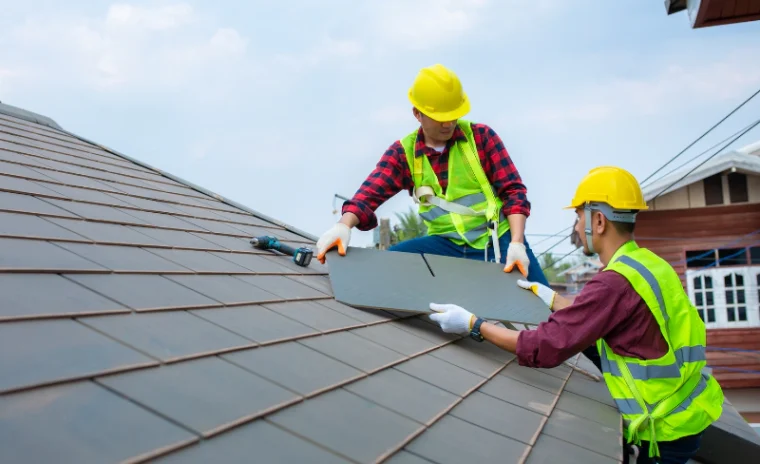
Your roof is one of the most important components of your home. It protects against harsh weather, improves energy efficiency, and plays a major role in curb appeal. With so many types of roofing materials available, choosing the right one can feel overwhelming. Homeowners must consider factors such as budget, climate, durability, maintenance, and overall appearance before making a decision.
Understanding the pros and cons of different roofing materials can help you make a smart investment that fits your home’s needs and long-term goals. Whether you prefer affordability, longevity, or a premium appearance, there are several excellent roofing options available.
Asphalt Shingles: The Most Popular Choice
Asphalt shingles are among the most common types of roofing materials used in residential homes. They are affordable, easy to install, and available in a wide variety of colors and styles.
One major advantage of asphalt shingles is their cost-effectiveness. Homeowners looking for a practical roofing solution often choose this material because it provides reliable protection without a high upfront investment. Asphalt shingles are also relatively easy to repair and replace.
However, they may not last as long as premium roofing products. Depending on maintenance and weather conditions, asphalt shingles generally last between 15 and 30 years. Severe storms and high winds may shorten their lifespan.
For homeowners seeking a balance between affordability and appearance, asphalt shingles remain one of the best roofing options.
Metal Roofing: Durable and Energy Efficient
Metal roofing has become increasingly popular due to its durability and energy efficiency. Homeowners often debate whether to choose a shingle roof or metal roof, especially when looking for long-term performance.
Metal roofs can last between 40 and 70 years depending on the material used. They are highly resistant to fire, harsh weather, and impact damage. In areas with extreme temperatures, metal roofing reflects sunlight, helping reduce cooling costs during hot months.
Another benefit is low maintenance. Unlike other roofing systems, metal roofs resist mold, mildew, and insect damage. However, the initial installation cost can be higher than traditional shingles.
When deciding between a shingle roof or metal roof, homeowners should weigh short-term affordability against long-term savings and durability.
Tile Roofing: Beauty and Longevity
Tile roofing is a premium roofing option known for its timeless beauty and impressive lifespan. Commonly made from clay or concrete, tile roofs are especially popular in warm climates and Mediterranean-style homes.
One of the biggest advantages of tile roofing is durability. These roofs can last 50 years or more when properly maintained. Tile materials also provide excellent resistance against fire, wind, and harsh weather.
In addition, tile roofing offers natural insulation that helps regulate indoor temperatures. This can improve energy efficiency and lower utility costs.
The main downside is weight and cost. Tile roofs are significantly heavier than asphalt shingles, meaning some homes require structural reinforcement before installation. They also come with a higher upfront price tag.
Still, for homeowners seeking elegance and long-term value, tile roofing is one of the most attractive roofing options available.
Slate Roofing: A Luxury Investment
Slate roofing is often considered one of the most premium types of roofing materials. Made from natural stone, slate provides exceptional durability and a sophisticated appearance.
Many homeowners choose slate because it is often regarded as the longest lasting roof material available. A properly maintained slate roof can last over 75 years and sometimes exceed 100 years.
Slate also offers resistance to fire, mold, and extreme weather. Because it is a natural product, it provides a unique, upscale appearance that boosts curb appeal.
However, slate roofing is expensive and heavy. Installation requires skilled professionals, which can increase labor costs. Homes may also need additional structural support to handle the material’s weight.
For homeowners prioritizing longevity and premium aesthetics, slate remains a top contender for the longest lasting roof material.
Wood Shakes: Natural and Rustic Appeal
Wood shake roofs provide a warm, natural appearance that many homeowners love. Typically made from cedar, redwood, or pine, wood shakes create a rustic charm that works beautifully with cottages, cabins, and traditional homes.
Wood roofing offers good insulation and can improve energy efficiency. It also adds distinctive character that is difficult to replicate with synthetic materials.
However, wood shakes require more maintenance than other roofing materials. Regular inspections, treatments, and cleaning are necessary to prevent moisture damage, mold, or insect infestations.
Wood roofing may also be restricted in areas prone to wildfires unless treated for fire resistance. Although beautiful, homeowners should consider ongoing maintenance costs before choosing this option.
Composite Roofing: Versatile and Low Maintenance
Composite roofing is an increasingly popular choice among modern homeowners. These materials are designed to mimic the appearance of slate, wood, or tile while offering improved durability and easier maintenance.
Composite roofs are lightweight, resistant to weather damage, and often more affordable than premium materials. They can also be environmentally friendly, as many products are made from recycled materials.
For homeowners who want the appearance of luxury roofing without excessive maintenance or cost, composite products provide flexible roofing options worth considering.
Factors to Consider When Choosing Roofing Materials
Choosing the best roof involves more than appearance alone. Homeowners should carefully evaluate several important factors before selecting among different types of roofing materials.
1. Budget
Your budget plays a major role in determining which roofing system is realistic. Asphalt shingles are typically more affordable, while slate and tile come with higher upfront investments.
2. Climate
Local weather conditions should influence your decision. Homes in hot climates may benefit from reflective metal or tile roofing, while storm-prone areas may require impact-resistant materials.
3. Durability and Lifespan
Consider how long you plan to stay in your home. If long-term performance matters, materials like metal, slate, or tile may offer better value over time. Many homeowners searching for the longest lasting roof material prioritize durability over initial cost.
4. Maintenance Requirements
Some roofing systems require more upkeep than others. Wood shakes, for example, need regular care, while metal and composite roofs generally require less maintenance.
5. Curb Appeal
Your roof significantly impacts the appearance of your home. Select a style and color that complements your architecture and enhances resale value.
Making the Best Roofing Decision
With so many roofing materials available, there is no one-size-fits-all answer for every homeowner. The best choice depends on your budget, maintenance preferences, local climate, and long-term goals. Whether you are comparing a shingle roof or metal roof, considering elegant tile roofing, or searching for the longest lasting roof material, understanding your options is key.
By carefully evaluating the available types of roofing materials, homeowners can confidently choose a roof that provides protection, beauty, and value for years to come.