Book Your Roofing Service Today
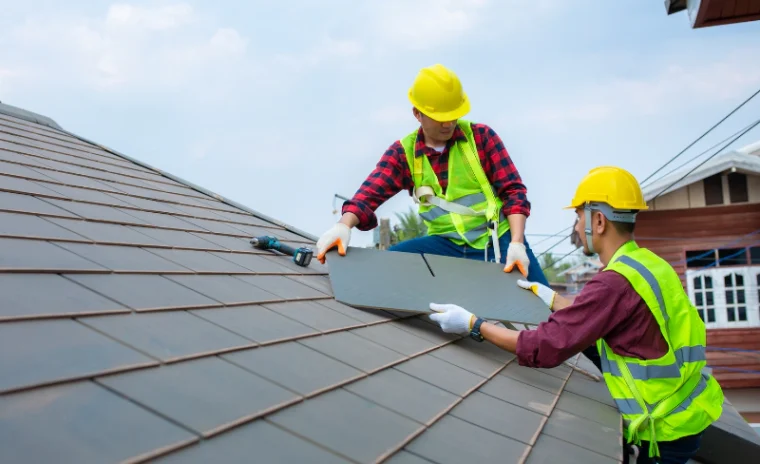
When DIY Roof Repair Makes Sense (and When It Doesn’t)
You’re staring at a water stain on your ceiling, or maybe you noticed a few loose shingles after last week’s storm. Your first thought? “Can I fix this myself?” It’s a fair question, especially when you’re trying to save money. But here’s the reality: not all roof repairs are created equal, and choosing the wrong approach can turn a small problem into a budget-wrecking disaster.
Some repairs genuinely are DIY-friendly. Cleaning gutters, replacing a single damaged shingle on an easily accessible section, or applying roof sealant to a minor crack can be handled by a handy homeowner with the right safety equipment. These are surface-level fixes that don’t require specialized tools or knowledge of roofing systems. If you’re comfortable on a ladder, have a helper for safety, and the damage is visible and straightforward, you might tackle it successfully.
But here’s where most homeowners get tripped up: roof problems are rarely as simple as they appear from the ground. That single missing shingle might be hiding water damage to the underlayment. That small leak during Florida’s summer thunderstorms could already be spreading through your decking. In Tampa Bay’s humidity, moisture damage accelerates fast. What looks like a quick weekend project can expose structural issues that require immediate professional intervention. Before you climb up, ask yourself: Do I know what’s happening beneath the surface? Can I identify compromised flashing, damaged valleys, or failing sealant? If the answer is no, it’s time to call someone who does this every day.
The Reality of DIY Roof Repairs in Florida’s Climate
Florida isn’t like other states when it comes to roofing. Our weather throws challenges at your roof that homeowners in cooler, drier climates never face. The combination of intense UV exposure, salt air (especially for Pinellas County coastal homes), hurricane-force winds, and relentless humidity creates a punishing environment. A roof repair that might hold up for years in Colorado can fail in months here if not done correctly.
Let’s talk about what DIY really means in this climate. You’re working in extreme heat. Summer roof surface temperatures regularly hit 150 degrees or higher. That’s not just uncomfortable; it’s dangerous. Heat exhaustion and dehydration happen fast when you’re focused on a repair task. Additionally, the materials you’re working with (sealants, adhesives, shingles) behave differently in high heat. Apply them incorrectly, and they won’t cure properly or bond as intended.
Then there’s the moisture factor. A small leak you’re trying to patch might already have water trapped in your roof deck or insulation. You can’t see that from the surface, but it’s rotting away structural components. In Florida’s humidity, mold and mildew develop within 24 to 48 hours of water intrusion. By the time you notice a ceiling stain, the damage inside your roof assembly is often extensive. DIY repairs that don’t address the full scope of moisture damage just hide the problem temporarily, allowing it to worsen behind the scenes. When B. Griffith Roofing tackles a repair, we inspect the entire affected area to catch hidden damage before it becomes a bigger issue. That’s the difference between a band-aid and a real solution.
Hidden Costs: Why DIY Often Costs More Than You Think
Here’s the part that surprises most homeowners: DIY roof repairs frequently end up costing more than hiring a professional from the start. How? Let’s break it down.
First, there’s the equipment. A proper roof repair requires more than a hammer and some shingles. You need safety gear (harness, non-slip boots, proper ladder with stabilizers), the right tools (roofing nailer, chalk line, utility knives, pry bars), and quality materials that match your existing roof. Buy these items for a one-time repair, and you’ve already spent several hundred dollars. Rent them, and you’re paying daily rates that add up if the job takes longer than expected (which it usually does).
Second, consider the time investment. What you estimate as a four-hour Saturday project often stretches into multiple days once you account for learning curves, material runs, weather delays, and unexpected complications. That’s time you could spend on other priorities, not to mention the physical toll of roofing work if you’re not conditioned for it.
Third, and most importantly, there’s the cost of mistakes. Use the wrong type of shingle? Nail in the wrong location? Fail to properly seal a seam? These errors might not show up immediately, but they create vulnerabilities. The next heavy rain or windstorm exploits those weak points, and suddenly your small repair has become a major leak requiring emergency service. We’ve seen homeowners in St. Petersburg who tried to save $300 on a simple repair end up spending $3,000 fixing the water damage that resulted from improper installation. When you factor in the risk of doing it wrong, professional roofing repair services become the economical choice. The work is done right the first time, backed by warranty, and you have accountability if something goes wrong.
The Professional Advantage: Long-Term Savings and Warranty
When you hire a qualified roofing contractor, you’re not just paying for labor. You’re buying diagnostic skill, proper technique, quality materials at contractor pricing, and most importantly, warranty protection. Let’s look at what that actually means for your wallet and your home’s long-term health.
Professionals identify problems you can’t see. A trained roofer inspects the entire area around visible damage, checking for compromised flashing, deteriorated sealant, damaged underlayment, and structural issues. They catch problems before they become emergencies. That assessment alone has value because it prevents future surprise expenses. When B. Griffith Roofing inspects a repair area, we’re looking at the whole roofing system, not just the obvious symptom. We know what storm damage looks like in Clearwater versus normal wear, and we document everything clearly.
The installation quality matters tremendously. Roofing manufacturers specify exact installation procedures for their products. Deviate from those specs, and you void material warranties. Professionals follow those requirements precisely because we’re trained on them and we have accountability. We also know the local building codes. In many Florida jurisdictions, certain roof repairs require permits and inspections. Skip those, and you risk fines, plus you create problems when you eventually sell your home.
Then there’s the warranty component. Professional repairs typically come with both a workmanship warranty from the contractor and material warranties from manufacturers. If something goes wrong in the months or years after the repair, you have recourse. DIY work has no such protection. If your repair fails, you pay to fix it again, plus any additional damage that occurred in the meantime. Over the lifespan of your roof, professional repairs consistently deliver better value because they last longer and come with guarantees. It’s not about the upfront cost; it’s about the total cost of ownership.
Choosing the Right Roofer for Your St. Petersburg Home
So you’ve decided that professional repair is the right move. Smart choice. But how do you pick the right contractor? In the Tampa Bay area, you have dozens of options, and quality varies wildly. Here’s what to look for.
Start with local experience. A roofer who understands Florida building codes, coastal weather patterns, and regional roofing challenges will deliver better results than a general contractor dabbling in roof work. Ask how long they’ve operated in Pinellas County. Check their references. A well-established local business has reputation and relationships to protect, which means they stand behind their work.
Verify licensing and insurance. Florida requires roofing contractors to hold a state license. Don’t work with anyone who can’t provide proof of current licensing and liability insurance. This protects you if something goes wrong during the repair.
Get a detailed written estimate. A professional contractor will inspect your roof, explain exactly what needs repair and why, and provide a clear written quote that breaks down materials and labor. Be wary of unusually low bids; they often indicate cut corners or surprise charges later. Similarly, avoid high-pressure sales tactics or contractors who push for immediate decisions.
At B. Griffith Roofing, we’ve served St. Petersburg and surrounding areas for years, handling everything from minor repairs to full replacements and storm damage restoration. We know Florida roofs inside and out, and we believe in transparent communication. If you’re unsure whether your roof issue requires professional attention, we’re happy to provide an honest assessment. Sometimes it really is a simple fix; other times, we’ll catch a developing problem before it becomes costly. Either way, you’ll know exactly where you stand. Ready to get your roof evaluated? Get in touch and let’s take a look together.